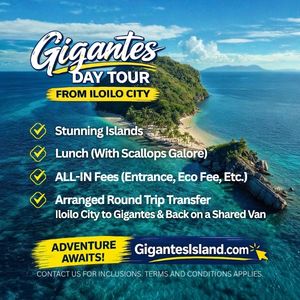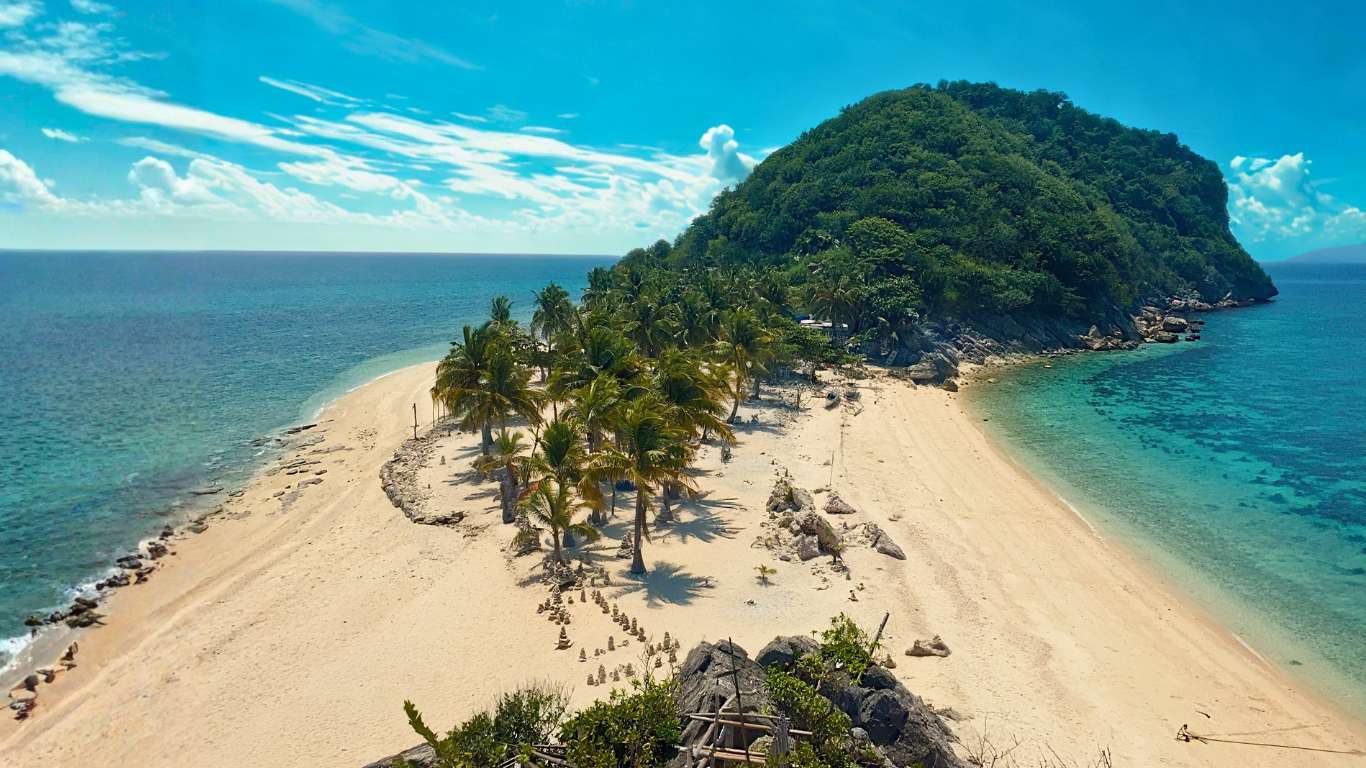
Few places in the Philippines capture the balance between natural beauty and community-driven conservation quite like Gigantes Island. What was once a hidden paradise off the coast of Iloilo has become a model for sustainable tourism — where locals, government agencies, and travelers work hand in hand to protect its fragile ecosystems while promoting responsible travel.
As tourism in Isla Gigantes grows, so does Iloilo’s commitment to eco-tourism. The province is proving that paradise can thrive when people protect what they love. This is the story of how Gigantes Island and its surrounding communities are leading the way toward a greener, more sustainable future.
The Rise of Eco-Tourism in Iloilo
Over the past decade, Northern Iloilo — particularly Carles and Estancia — has emerged as a tourism hotspot thanks to its pristine islands and marine biodiversity. Yet, unlike other destinations that grew rapidly without safeguards, Gigantes developed more thoughtfully. The Iloilo Provincial Tourism Office, together with the Department of Environment and Natural Resources (DENR), prioritized sustainability before large-scale commercialization could take root.
This foresight gave birth to a community-based tourism model that ensures the local population benefits from tourism while keeping the natural environment intact.
Community Empowerment: The Heart of Gigantes’ Eco-Tourism
Local residents are at the core of the eco-tourism movement. Instead of outside investors taking over, the people of Gigantes became partners in progress. Fishermen became boatmen and guides, homemakers turned into homestay hosts, and youth groups now lead beach clean-ups and environmental awareness programs.
Many of the tours, including Island Hopping Tours and Island Hopping Packages, are now run by cooperatives made up of island residents. This not only ensures that income stays within the community but also strengthens their sense of stewardship over the environment.
Preserving Paradise: Environmental Initiatives in Gigantes Island
Gigantes Island’s fragile ecosystem — from its coral reefs to its limestone cliffs — faces natural and human threats. But locals, with the support of environmental groups and government agencies, are fighting back through several initiatives:
- Coral Reef Rehabilitation: Fisherfolk organizations help plant new coral structures in damaged areas, restoring marine habitats.
- Waste Management Programs: Plastic waste collection and segregation campaigns are implemented in cooperation with the local tourism council.
- Mangrove Reforestation: Thousands of mangroves have been planted along Carles’ coastline to protect against erosion and serve as nurseries for fish.
- Marine Sanctuary Zones: Certain parts of Islas de Gigantes are designated as “no-fishing zones” to allow marine life to recover.
These programs may seem simple, but their collective impact is powerful. Gigantes has maintained its natural charm while other destinations struggle with pollution and overcrowding.
The Role of Responsible Travelers
Eco-tourism thrives when visitors play their part. Travelers are encouraged to adopt sustainable habits such as:
- Bringing reusable bottles and bags to minimize plastic waste
- Choosing local accommodations instead of foreign-owned resorts
- Using reef-safe sunscreen to prevent coral bleaching
- Respecting local customs and wildlife habitats
- Booking with eco-certified Travel & Tours Agencies
By following these simple practices, tourists help preserve the island’s ecological balance and support the livelihoods of local families who depend on tourism done right.
Gigantes’ Hidden Treasures: Nature Beyond the Postcards
Beyond its famous beaches like Cabugao Gamay and Antonia Beach, Gigantes Island boasts an incredible diversity of natural wonders. Its limestone cliffs shelter caves with ancient fossils, while its surrounding waters teem with coral reefs and marine species. Even smaller islands like Bantigue Sandbar and Pulupandan Island play important roles as nesting grounds for sea birds and marine life.
Tour guides trained under eco-tourism principles educate visitors about these natural systems, ensuring every island-hopping trip becomes not only an adventure but also an act of awareness.
Partnerships and Recognition
The efforts of Iloilo’s eco-tourism communities haven’t gone unnoticed. National agencies have recognized Gigantes Island as one of the country’s promising sustainable destinations. Environmental NGOs, including the Coastal Resource Management Project and local youth organizations, continue to collaborate with residents to protect marine biodiversity.
These partnerships also attract support for infrastructure improvements like solar lighting, clean water access, and improved docking facilities — all designed with minimal ecological footprint.
The Challenge of Balancing Growth and Conservation
Despite the success, challenges remain. Tourism growth brings pressure on waste management, electricity supply, and water resources. The local government of Carles continues to develop regulations to manage visitor numbers and ensure long-term sustainability. Travelers, too, must do their part — following “Leave No Trace” principles and choosing eco-friendly itineraries.
Traveler’s Checklist for Sustainable Exploration
- Travel during off-peak months to reduce environmental stress.
- Bring cash — there are no ATMs on the islands.
- Stay in registered homestays to support local businesses.
- Pack light and bring reusable essentials.
- Book travel with Travel Credit Cards for added security and eco-travel perks.
- Consider Travel Insurance for peace of mind and responsible travel coverage.
Why Gigantes Island Represents the Future of Philippine Tourism
Gigantes Island isn’t just a beautiful place — it’s a success story. It shows that tourism can thrive without sacrificing the environment. Its model of community involvement, sustainability education, and environmental stewardship could serve as a blueprint for other destinations across the Philippines.
By visiting responsibly, travelers don’t just see paradise — they help protect it. Every booking, every photo, every respectful footprint contributes to preserving this island for generations to come.
Conclusion: Protecting the Paradise That Protects Us
The people of Iloilo understand that their greatest wealth lies not in skyscrapers or factories, but in the natural beauty that surrounds them. From the mangroves of Carles to the coral gardens of Gigantes, the province continues to lead by example — proving that when nature and community thrive together, everyone benefits.
Travel responsibly, explore meaningfully, and be part of Iloilo’s eco-tourism story. Visit GigantesIslandIloilo.com to learn how you can experience Gigantes Island while helping preserve its wonders for the future.